Common Causes of Damage in Brick, Stone, and Block Walls
Local contractors specializing in brick, stone, and block wall repair can help address common causes of damage like weather, settling, and structural issues to restore stability and appearance.
Understanding the common causes of damage in brick, stone, and block walls is essential for property owners looking to maintain the integrity and appearance of their structures. Whether dealing with cracks, crumbling mortar, or shifting foundations, these issues can stem from a variety of factors such as weather exposure, improper construction, or ongoing settling of the building. Recognizing these signs early can help prevent more extensive and costly repairs down the line. Local service providers specializing in brick, stone, and block wall repair can assess the damage, identify underlying causes, and recommend effective solutions to keep walls strong and durable.
For property owners in the area, exploring the typical reasons behind wall damage is a practical step toward preserving the value of their property. Damage caused by moisture infiltration, freeze-thaw cycles, or structural movement often requires professional attention to ensure proper repairs are made. Local contractors experienced in brick, stone, and block wall repair are equipped to address these issues with tailored approaches that restore stability and appearance. Keep reading to learn more about the common causes of damage and how local experts can help maintain the longevity of your walls.
- Brick wall repair - needed when mortar deterioration or moisture infiltration causes cracks or instability in brick walls, and local contractors use specialized techniques to restore strength.
- Stone wall repair - required when shifting ground or freeze-thaw cycles lead to shifting or cracking stones, with service providers carefully resetting and stabilizing the stones.
- Block wall repair - necessary when poor drainage or impact damage results in broken or bulging block walls, and local experts typically replace damaged blocks and reinforce the structure.
- Crack repair in brick and stone walls - needed when settling or thermal expansion causes visible cracks, with service providers sealing and reinforcing to prevent further damage.
- Repointing services for brick, stone, and block walls - essential when deteriorated mortar joints compromise wall integrity, and local contractors carefully remove old mortar and apply fresh, durable mortar.
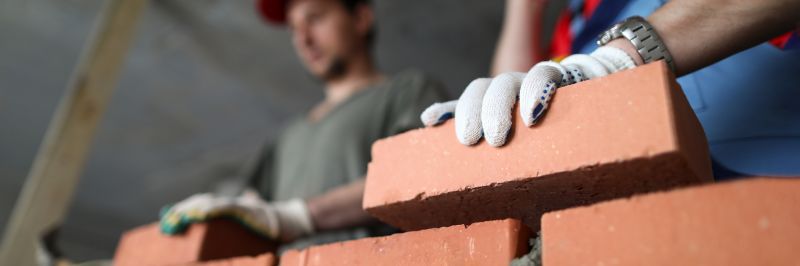
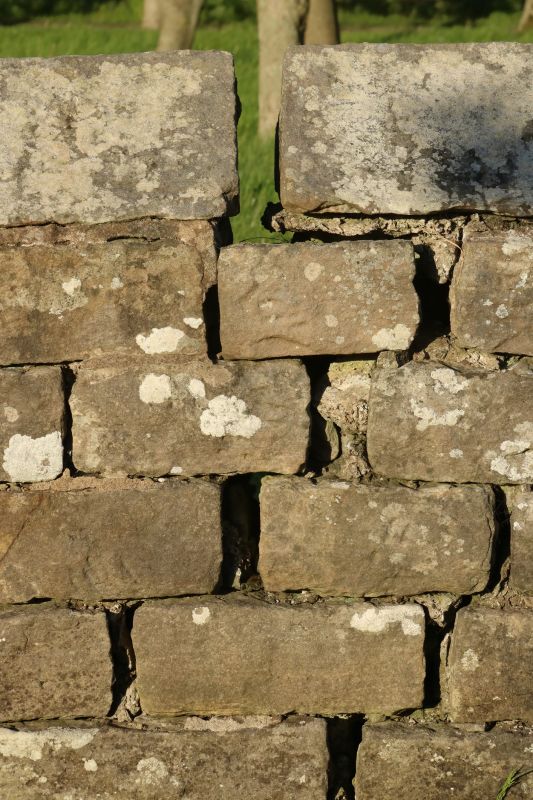
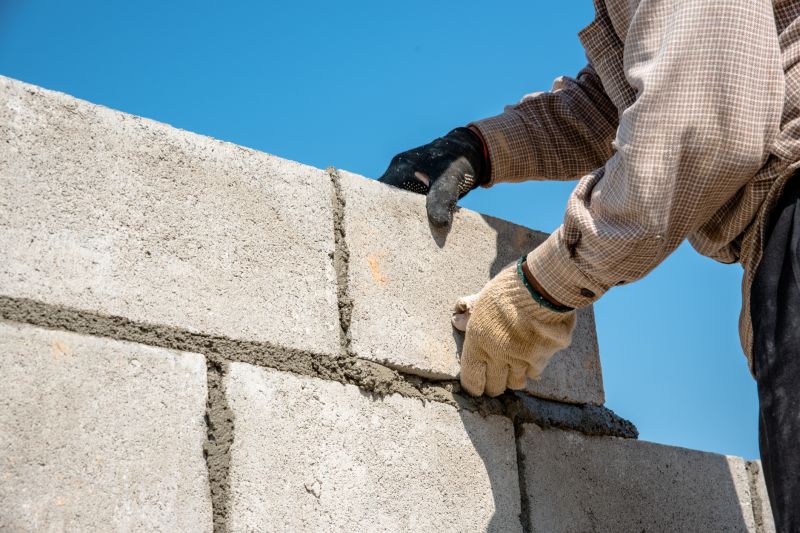
When people search for common causes of damage in brick, stone, and block walls, they are typically trying to understand why their existing structures may be showing signs of deterioration or failure. This topic often comes up during property inspections, renovation planning, or when homeowners notice cracks, bulges, or water leaks. Understanding these causes helps homeowners identify underlying issues that could compromise the stability and appearance of their walls, and it guides them in making informed decisions about repairs or preventative measures. Many property owners are concerned about how damage might affect the safety and longevity of their structures, whether in residential homes, commercial buildings, or outdoor retaining walls.
The problems associated with damage in brick, stone, and block walls often relate to structural integrity, moisture intrusion, or material deterioration. Common issues include cracks caused by shifting foundations, mortar joints breaking down over time, or stones and bricks loosening due to weathering. Water infiltration is another major concern, as it can lead to freeze-thaw damage, efflorescence, or mold growth. These problems may be part of larger plans to restore or reinforce walls, prevent future damage, or improve curb appeal. Recognizing the root causes of damage enables property owners to work with service providers who specialize in diagnosing issues and implementing effective repair strategies.
The types of properties most often affected by these issues include residential homes with brick or stone facades, commercial buildings with masonry exteriors, and outdoor structures such as retaining walls or garden walls. Older properties tend to be more vulnerable due to aging materials and less advanced construction techniques. Additionally, properties located in regions with harsh weather conditions-such as freeze-thaw cycles, heavy rainfall, or high humidity-are more prone to damage in their masonry walls. Homeowners and property managers seeking to maintain or restore these structures frequently search for information about common causes of damage to better understand what repairs might be needed and when to seek help from experienced service providers.
Local contractors who specialize in brick, stone, and block wall repair play a key role in addressing these issues. They can assess the specific causes of damage, such as structural movement, moisture problems, or material aging, and recommend appropriate solutions. Whether it involves repointing mortar joints, replacing damaged bricks or stones, or installing waterproofing measures, these professionals help ensure that walls remain stable and attractive. For property owners, understanding common causes of damage in masonry walls clarifies when to seek expert assistance and how repairs can be integrated into broader property maintenance or improvement plans. Connecting with experienced local service providers ensures that repairs are handled effectively, helping to extend the life of masonry structures.
Masonry Restoration Projects - these projects involve repairing and restoring historic brick and stone structures, requiring skills similar to addressing common causes of damage in brick, stone, and block walls.
Foundation Repair Services - foundation issues can lead to wall cracking and deterioration, making foundation repair a related area where local contractors use comparable planning and tools.
Waterproofing and Drainage Solutions - preventing water damage is crucial for maintaining brick, stone, and block walls, and local service providers often handle related waterproofing projects.
Chimney Repair and Restoration - chimney work involves masonry skills similar to those needed for fixing damage caused by moisture or structural movement in walls.
Retaining Wall Construction - building or repairing retaining walls involves understanding soil pressure and masonry techniques similar to those used in wall repair projects.
Concrete and Masonry Finishing - finishing work on concrete, brick, or stone surfaces shares tools and planning approaches with repair services for damaged walls.
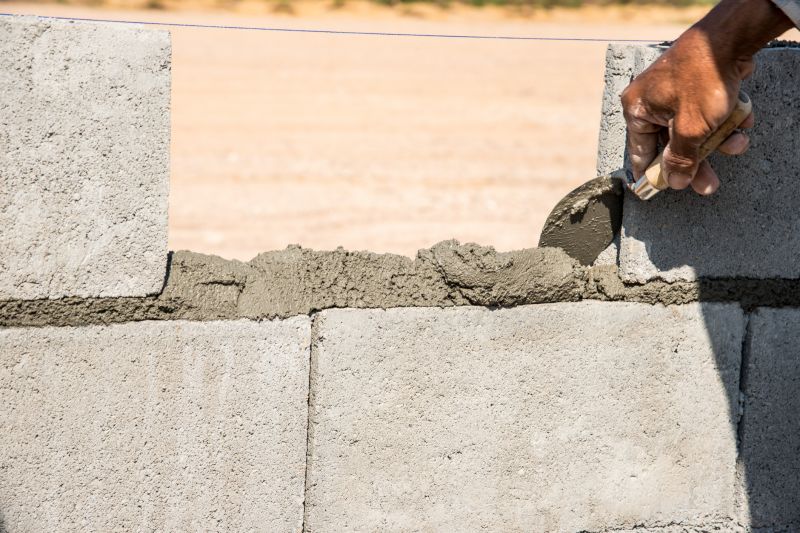
When evaluating contractors for brick, stone, and block wall repair, it is important to consider their experience with similar projects. Homeowners should seek out service providers who have a proven track record in addressing common causes of damage in these types of walls, such as water infiltration, settling, or freeze-thaw cycles. Contractors with relevant experience are more likely to understand the nuances of different materials and construction methods, which can contribute to more durable and lasting repairs. Asking for details about past projects or examples of work completed in similar conditions can help ensure that the chosen service provider has the necessary background to handle the specific issues affecting the walls.
Clear written expectations are essential when comparing local contractors for brick, stone, and block wall repairs. Homeowners should look for service providers who can provide detailed descriptions of the scope of work, the materials to be used, and the methods for addressing the root causes of damage. Well-defined expectations help prevent misunderstandings and ensure that both parties are aligned on the repair process. It is also beneficial to review any written estimates or proposals carefully, paying attention to the specifics of the repair plan and the steps involved in restoring the wall’s integrity.
Reputable references and effective communication are critical factors in selecting a reliable service provider. Homeowners should seek out contractors who can provide references from previous clients, especially those who have experienced similar issues. Good communication involves timely responses, clear explanations of repair options, and transparency about the process. Service providers who prioritize open dialogue and can clearly articulate how they will address common causes of damage in brick, stone, and block walls are more likely to deliver satisfactory results. This approach helps build confidence that the repair work will be performed professionally and with attention to quality.
Property owners often search for common causes of damage in brick, stone, and block walls when they are planning practical projects around their homes and businesses. Local pros provide Brick, Stone, and Block Wall Repair services for everyday jobs and straightforward project options.
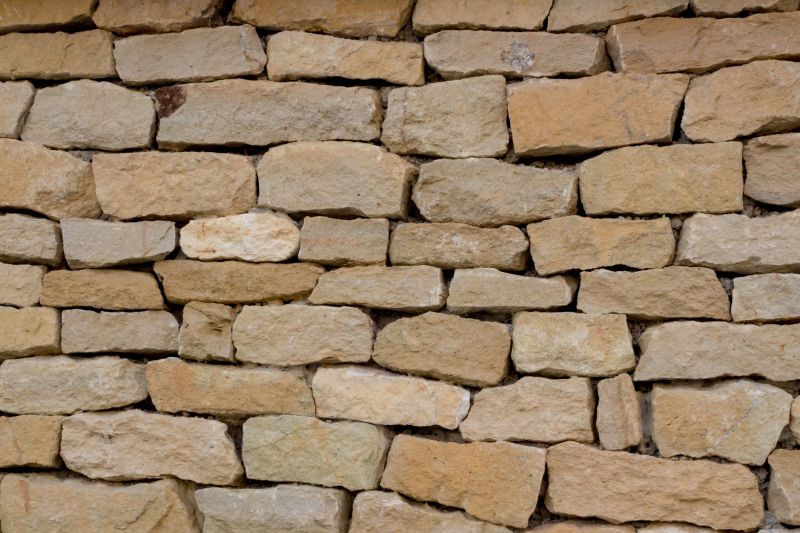
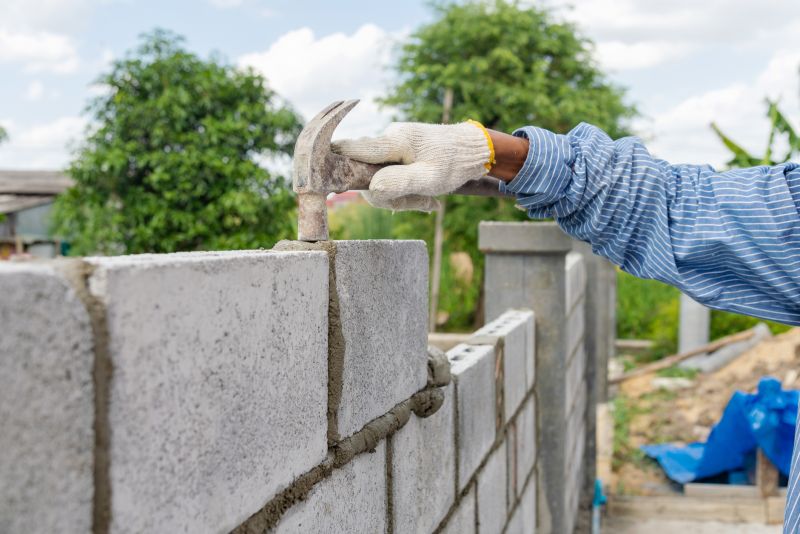
Many property owners in the area seek information about common causes of damage in brick, stone, and block walls after noticing issues like cracks, bulges, or deteriorating mortar. Everyday situations such as ground shifting or settling can put pressure on these walls, leading to cracks or structural weaknesses over time. Additionally, exposure to moisture from rain, snow, or poor drainage can cause materials to weaken or erode, especially if the walls are not properly sealed or maintained. Understanding these typical causes helps property owners recognize when repairs might be needed and encourages them to consider consulting local contractors who specialize in brick, stone, and block wall repair services.
Other frequent causes include physical impacts from accidents or nearby construction, which can chip or crack the materials. Freeze-thaw cycles are also a common issue in the area, as water infiltrates the porous surfaces, freezes, and expands, causing damage to the wall structure. Over time, improper installation or aging mortar joints can also lead to instability or deterioration. When these problems arise, local service providers experienced in brick, stone, and block wall repair can assess the damage and recommend appropriate solutions to restore the integrity and appearance of the walls.
What are common causes of damage in brick, stone, and block walls? Damage often results from exposure to moisture, freeze-thaw cycles, structural shifting, or poor initial construction, which local contractors can assess and repair.
How does moisture contribute to damage in these walls? Water infiltration can lead to cracking, spalling, or mortar deterioration, and local service providers can identify and address waterproofing issues.
Can temperature changes cause damage to brick, stone, and block walls? Yes, freeze-thaw cycles can cause expansion and contraction, leading to cracks and deterioration, which experienced contractors can repair effectively.
What role does structural movement play in damaging these walls? Foundation settling or shifting can create stress and cracks, and local pros can evaluate and perform necessary stabilization or repairs.
Are poor construction practices a common cause of damage? Inadequate mortar joints or improper installation can lead to vulnerabilities, and professional repair services can address these issues to restore wall integrity.
Water infiltration - Property owners can identify areas where water may seep into walls and seek professional sealing or waterproofing services to prevent damage.
Foundation movement - Monitoring signs of shifting or settling can help homeowners plan for repairs with local contractors to stabilize and reinforce walls.
Poor construction practices - Recognizing signs of improper mortar or material use encourages timely repairs by experienced service providers to maintain wall integrity.
Vegetation growth - Removing plants or roots near walls and consulting experts can help prevent root-related damage and preserve the structure’s stability.
If you are thinking about common causes of damage in brick, stone, and block walls for a property, this guide is meant to help you understand this topic, the typical project types, and how different options might fit your plans.
When you are ready, you can use the quote form on this page to share a few details about your project. From there, local pros can review the basics and follow up with options that match what you have in mind.